The Anti-Bride's Guide to Planning a Wedding That Actually Feels Like You
You've said yes. You're engaged. And somewhere between the congratulations and the first vendor inquiry, you've realised that the wedding everyone assumes you want isn't quite the wedding you actually want.
Maybe it's the dress. Maybe it's the 200-person guest list. Maybe it's the idea of posing for three hours while someone tells you to tilt your chin up and look natural.
If any of that sounds familiar — welcome. You might be an anti-bride.
And before anyone misreads the label: being an anti-bride doesn't mean being against weddings. It means being against weddings that don't feel like you. It means asking harder questions before you say yes to a vendor, a tradition, or a timeline that was designed for someone else.
This guide is for the couples who want to get married on their own terms. Here's where we'd tell you to start.
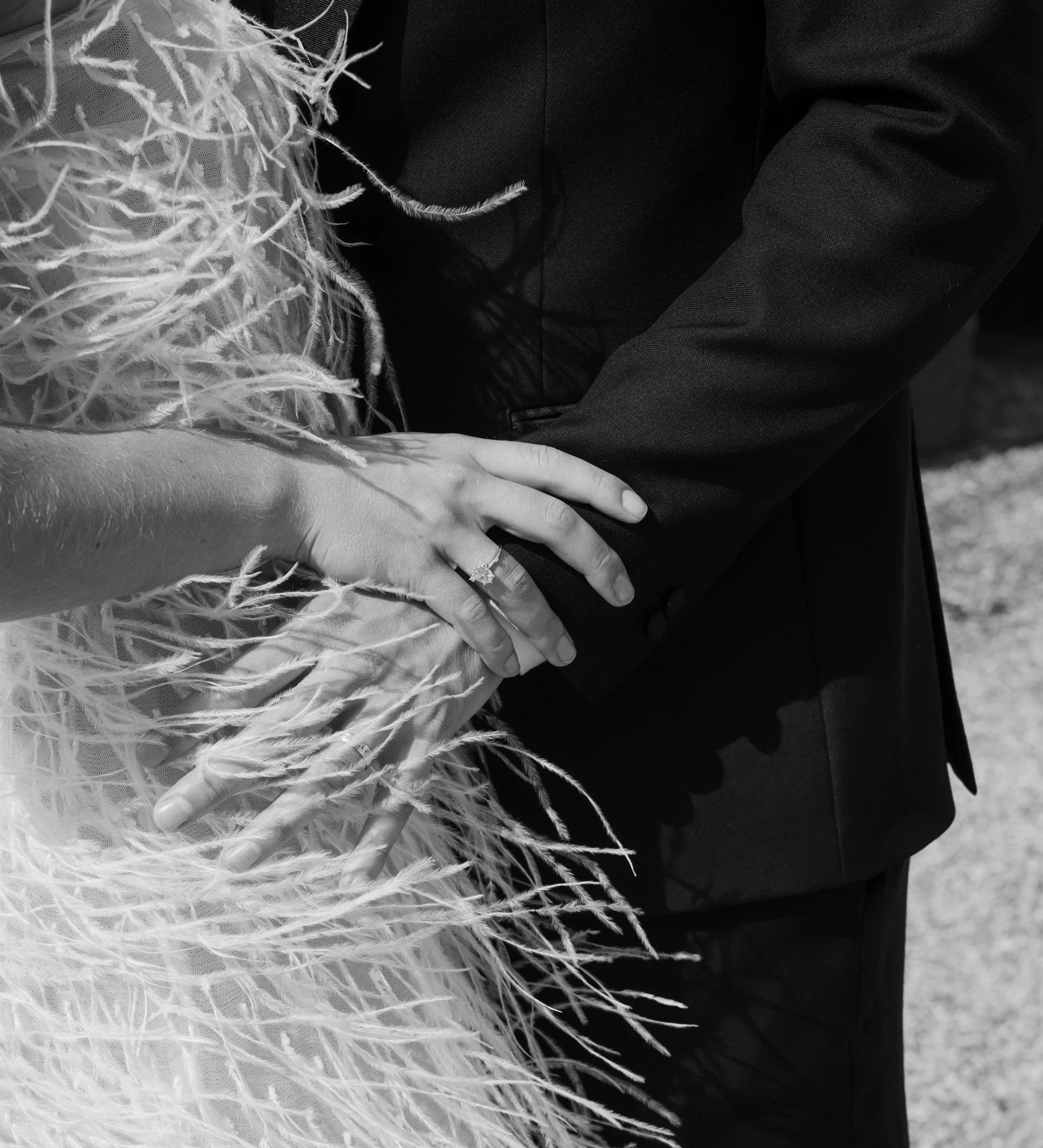
What Is an Anti-Bride, Exactly?
The anti-bride isn't a type. She doesn't have a signature look or a Pinterest board full of black wedding dresses (though that's perfectly valid too).
What she has is a strong sense of self — and the conviction that her wedding should reflect it.
She might wear white and walk down the aisle and have her father give a toast. Or she might do none of those things. The point isn't the choices themselves. The point is that they're hers.
The anti-bride questions the default. She doesn't reject tradition for the sake of it — she holds each tradition up to the light and asks: does this actually mean something to us? If it does, she keeps it. If it doesn't, she lets it go without guilt.
That's the whole philosophy. Turns out, that's also the foundation of a genuinely meaningful wedding day.
But here's the paradox: even a wedding without rules has standards. You still want it to be beautiful. You still want it to feel right. You just want your version of those things — not a preconceived vision someone has for you.
So we've put together 7 ways to plan the anti-bride wedding that's perfectly, unapologetically yours.
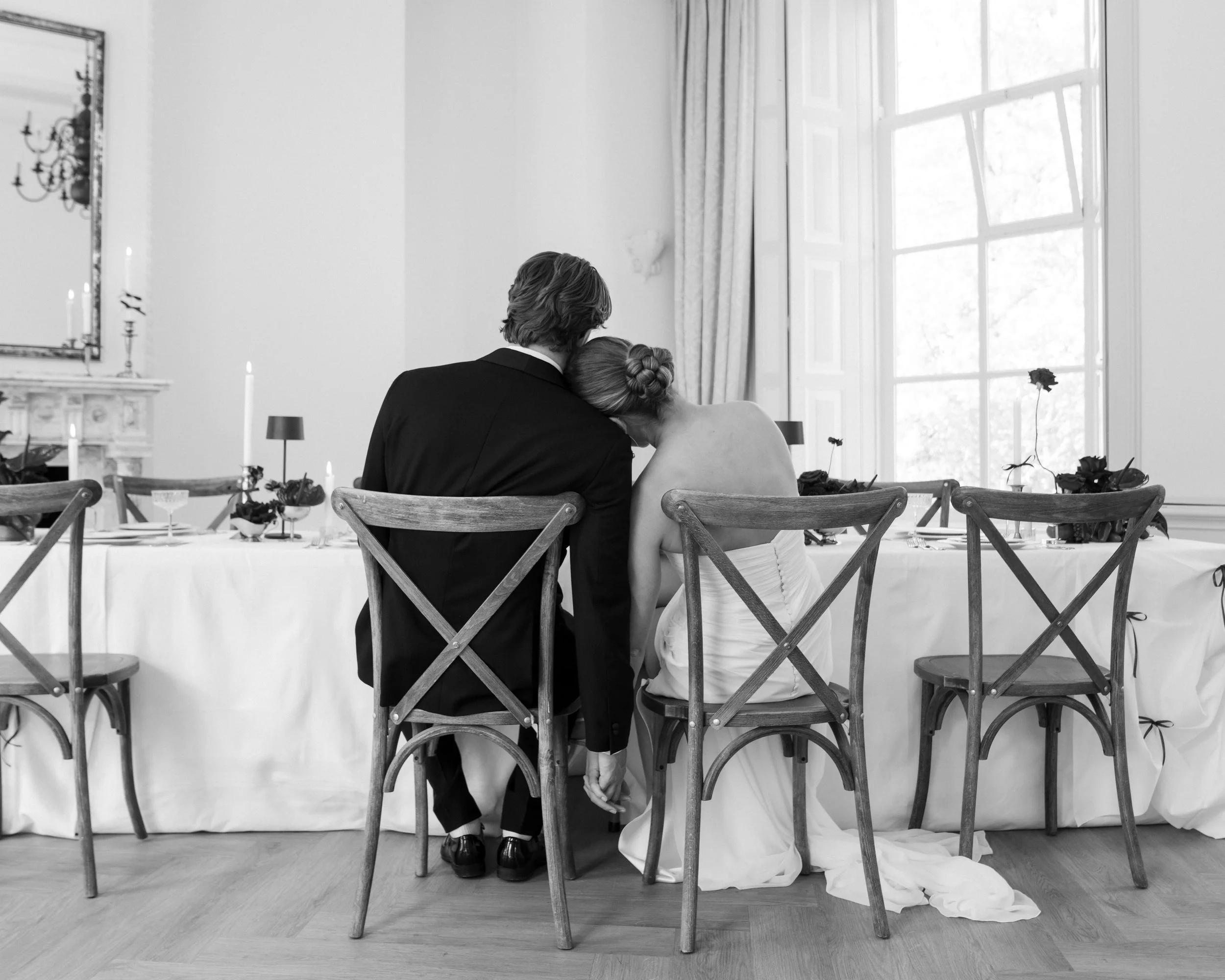
1. Know What You Actually Want to Feel
Before you book a single vendor, before you set a guest count, before you commit to a venue — ask yourself one question:
What do I want to feel on this day?
Not what it should look like. Not what photographs well. Not what will make the extended family comfortable. What do you want to feel?
This sounds like a small thing, but it's actually the most important planning tool you can have — because it becomes the filter through which every other decision gets made.
If the answer is relaxed and present, that tells you something about your ideal guest count, your timeline, and how you want to move through the day. It probably means you don't want back-to-back photo sessions with fifteen minutes between courses. It means you want a photographer who works quietly and doesn't require direction.
If the answer is electric and celebratory, that's different information. That might mean a smaller, more intentional ceremony followed by a long, music-filled reception. It might mean prioritising the dance floor over the sit-down dinner.
If the answer is intimate and close, that tells you something about scale. It might mean fewer guests, a longer timeline, space for real conversations instead of quick table rounds.
Whatever your answer is, write it down before you start planning. Then refer back to it every time a decision starts to feel overwhelming. Does this serve how I want to feel that day? If yes, move forward. If no, it's okay to say no.
This is how you end up with a wedding that feels cohesive — not because everything matches aesthetically, but because everything was chosen with intention.
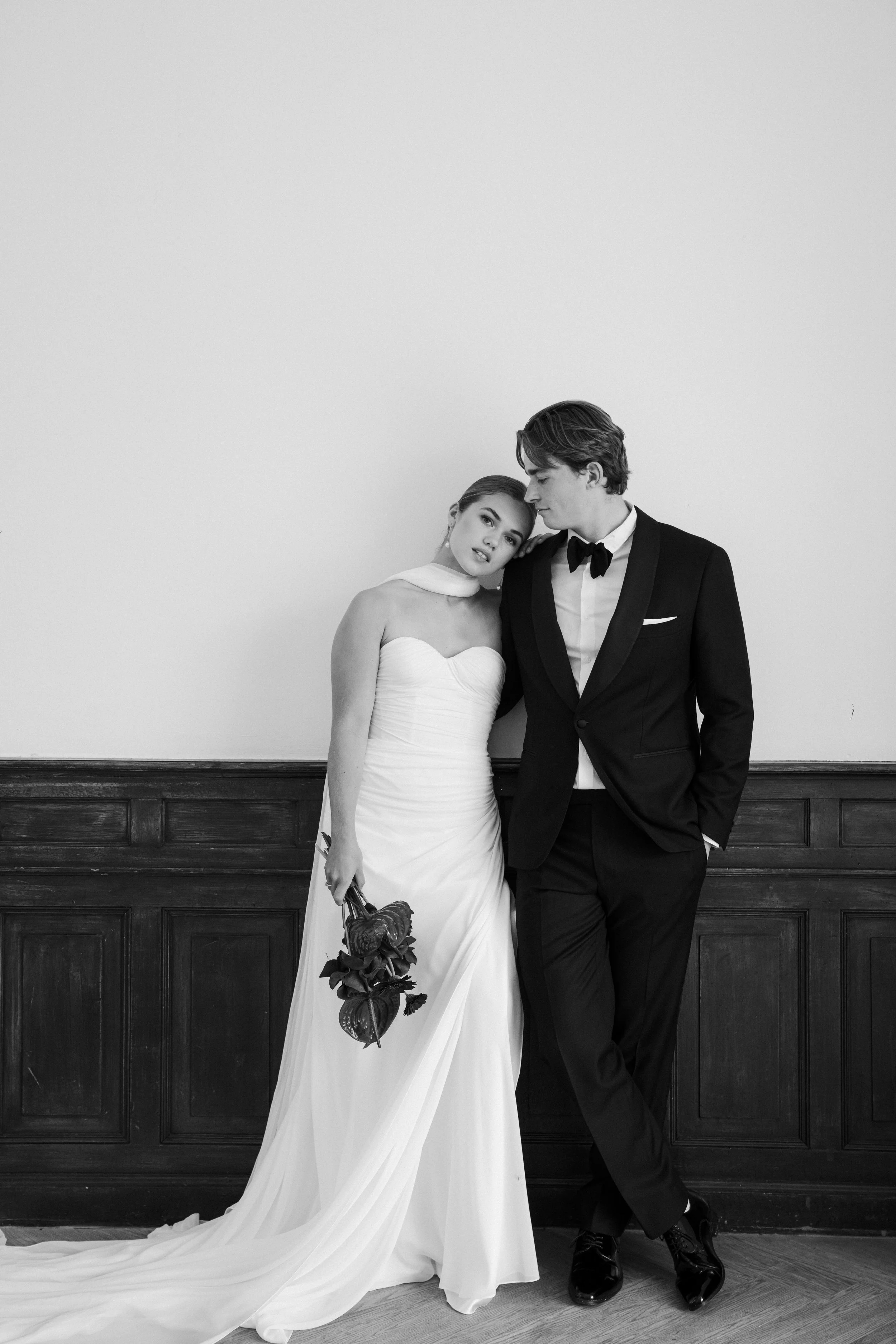
2. Break the Traditions That Don't Fit — Keep the Ones That Do
Here's something no one tells you early enough in the planning process: almost nothing about a modern wedding is actually required.
The white dress became popular in the mid-1800s. The multi-tiered cake is a Victorian-era holdover. Walking down the aisle to live music is, at most, a few hundred years old. These are customs — beautiful ones, for many couples — but they are not rules.
You're allowed to wear colour. You're allowed to skip the bouquet toss, the garter, the first dance, or all three. You're allowed to invite fifty people instead of two hundred, or two hundred people for a cocktail party instead of a seated dinner.
More importantly: you're allowed to mix. A traditional ceremony and an unconventional reception. A structured timeline and a very relaxed dress code. Formal vows and a photographer who puts the camera down at dinner.
The anti-bride's approach to tradition isn't rejection — it's curation. She takes what resonates, leaves what doesn't, and builds something that holds together because she chose each piece.
Worth knowing: if no one was watching and no one had an opinion, what would this day actually look like? Start there. Then work outward.
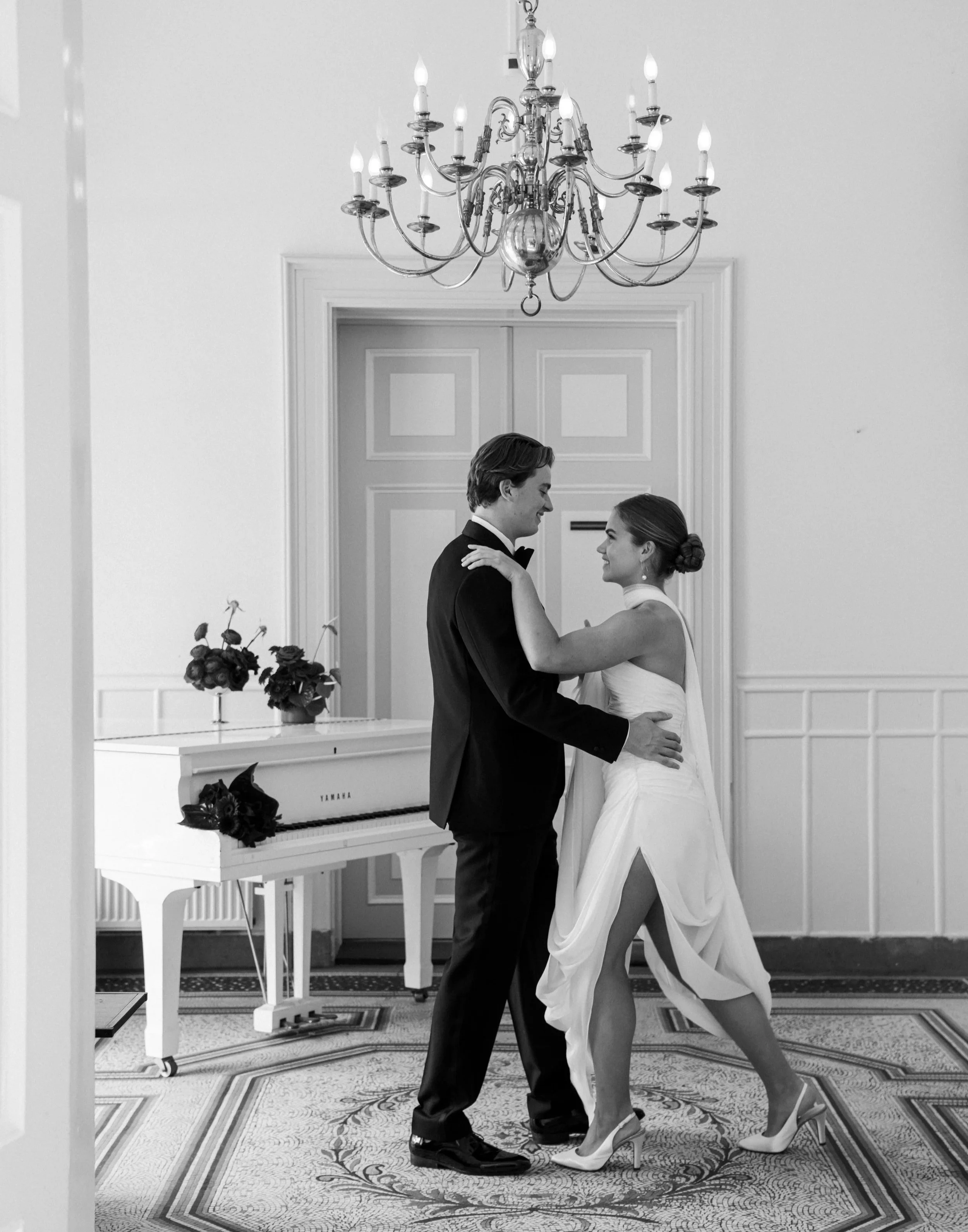
3. Choose an Unconventional Location
The venue sets the tone for everything — the light, the mood, the kind of photos you'll come home with. And yet most couples default to the first ballroom or hotel banquet hall that fits their guest count or availability.
The anti-bride thinks about location differently. Not what's available but what's us.
That might mean a restaurant that matters to your relationship. A rooftop with a city view. A heritage building, a working farm, a gallery space, a friend's garden. Anywhere that carries meaning or atmosphere that a generic event space simply can't replicate.
Unconventional venues also tend to produce more interesting photography — because interesting light, texture, and context are already built in. A photographer working in a space with character has more to work with than one navigating a white-walled ballroom.
A few things worth considering when choosing a non-traditional space:
Does it have natural light? Especially important if you want a candid, documentary-style photographer. Harsh artificial lighting works against that approach.
Is there room to move? Tight spaces can make getting-ready shots and couple portraits difficult. Look for somewhere with variety — an interior and an exterior, a quiet corner and an open space.
Does the venue have restrictions? Some non-traditional spaces have rules around noise, timings, or outside vendors. Check early.
Does it feel like you without decoration? The best venues need very little styling to feel right. If you're relying on decor to transform the space entirely, it may not be the right fit. [The best venues holds details that allows your styling to balance well, a meaningful backdrop to tell your story.]
You don't need a venue that's been on a wedding blog. You need one that, when you walk in, feels like the two of you.

4. Build Your Timeline With Space in It
Here is where most wedding timelines go wrong: they're scheduled right up to the edge.
Hair and makeup drags into getting dressed, which drags into photos, which drags into the ceremony, and so on and so forth. Every moment is accounted for — which isn’t always a bad thing.
At Morii Space, we'd always encourage couples to build space into the day on purpose.
Not as a contingency. Not because you expect to run behind. But because a fifteen-minute gap between the ceremony and portraits that isn't filled with anything is a gift you give yourself. A moment after the entrance before the speeches begin. Room to breathe before the next thing starts.
These gaps are where the day slows down enough for you to actually feel it. They're also, practically speaking, where your photographer captures the most candid moments — because no one is being rushed from one thing to the next.
Worth knowing: whatever timeline your coordinator or photographer proposes, ask if there's anywhere to add five minutes of nothing. You'll almost never regret it
5. Protect the In-Between Moments
If tip 4 is about building space into your schedule, tip 5 is about what to do with it.
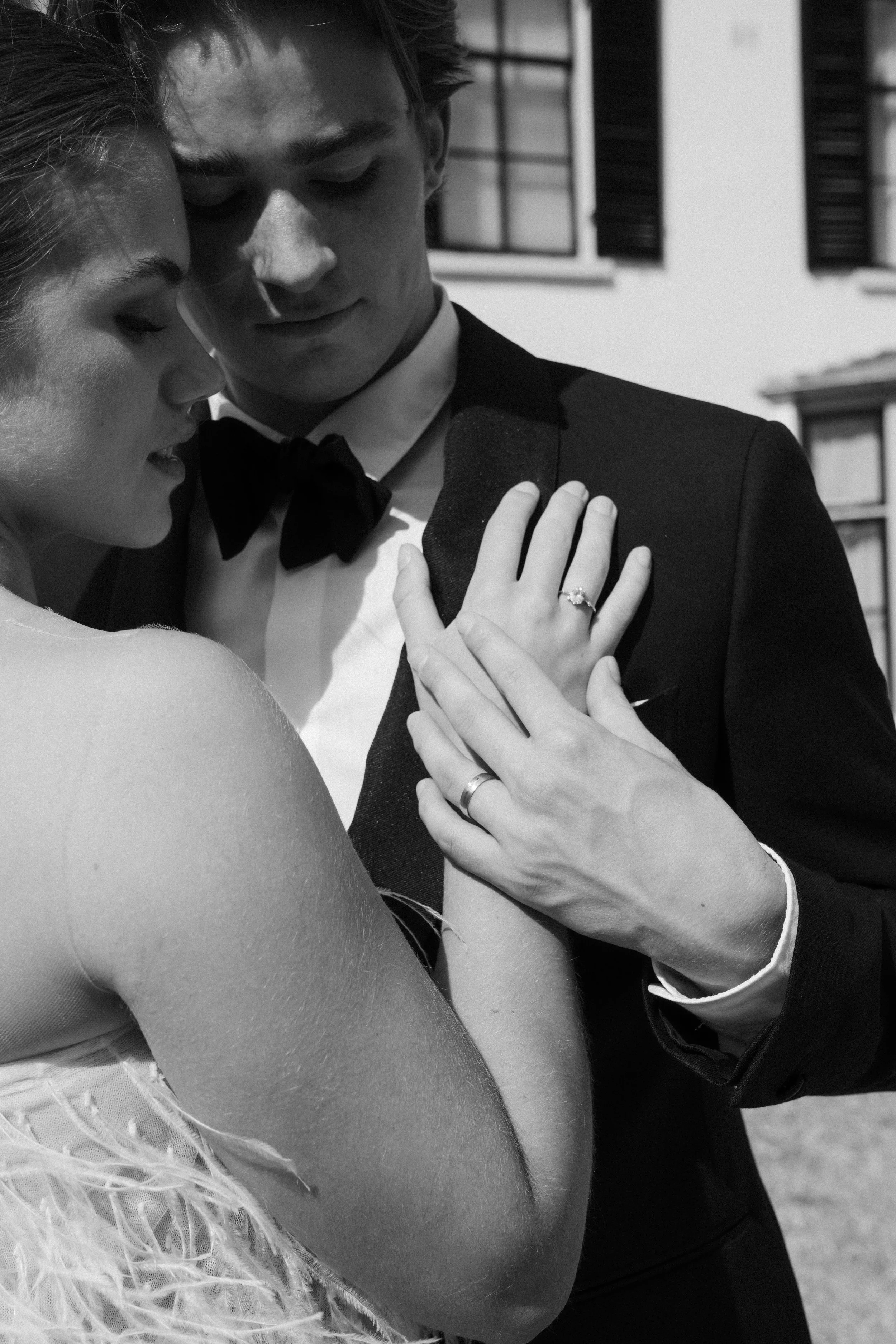
The in-between moments are the ones that don't appear on any run sheet. The glance across the room that no one else caught. The laugh that wasn't planned. The quiet hand-hold before you walk back in. They're also, almost always, the moments you'll want most when you look back.
Protecting them means resisting the impulse to fill every gap with something productive. It means giving yourself permission to just be somewhere for a few minutes without an agenda.
Even at a large, full-day wedding, there should be at least one point where it's just the two of you. A private vows to share your feelings. Step outside during cocktail hour. Slip away after the first course. You don't need long — five minutes of actual stillness is worth more than thirty minutes of managed portraits.
Ask your photographer to follow you when you do. Or don't. But find the moment, and let it be what it is.
6. Start the Day Together
This one surprises a lot of couples — but it's worth considering seriously.
“It's bad luck to see the bride before the wedding!”
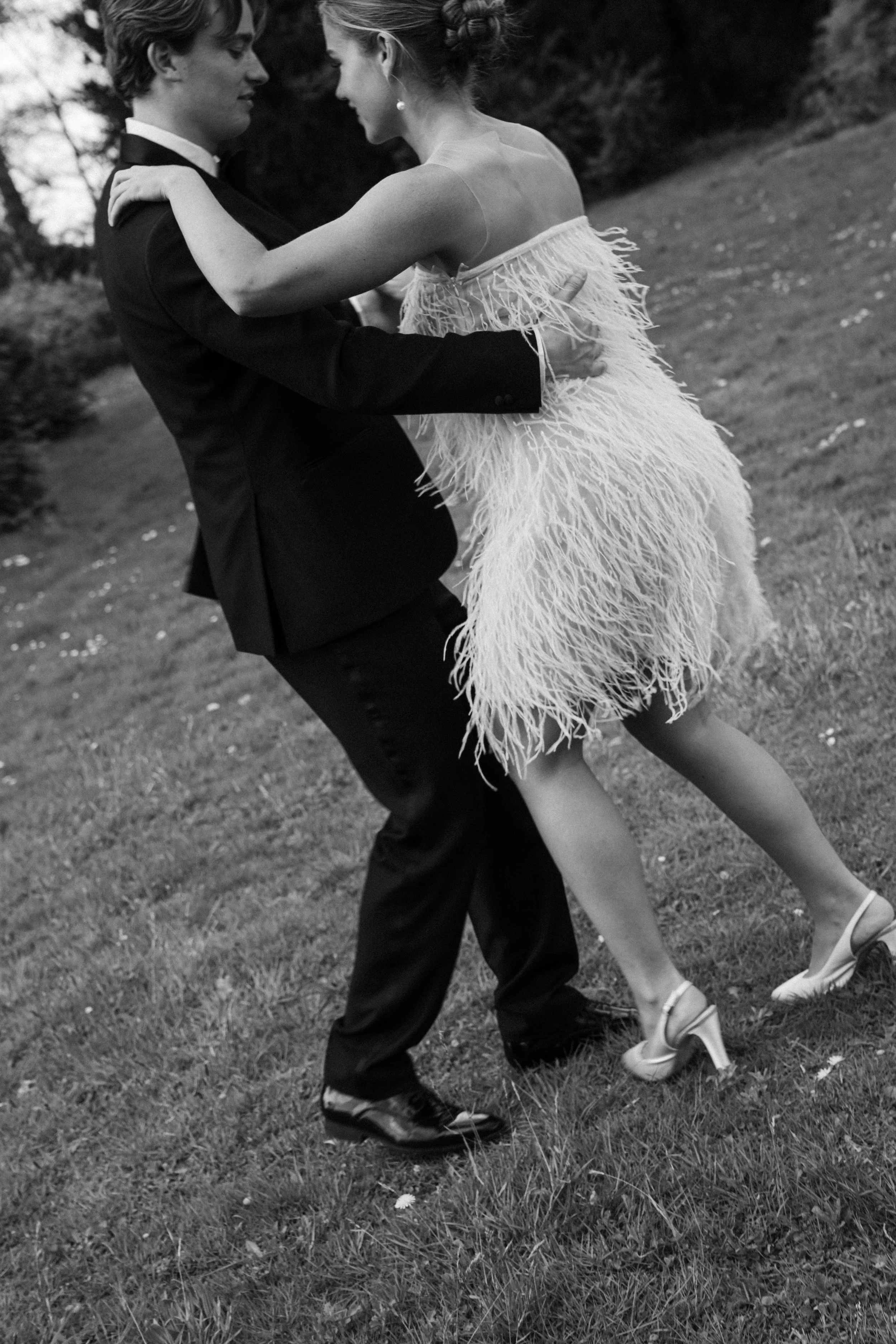
Yet, there's a growing movement of couples who choose to spend the morning of their wedding together rather than apart. Having breakfast. Getting ready side by side. Or simply sitting quietly before the day begins and the world finds you.
It's not for everyone. Some couples love the tradition of not seeing each other until the aisle, and that anticipation is real and worth preserving if it matters to you. But for many anti-bride couples, spending the morning together is the part of the day they remember most clearly.
No guests. No timeline pressure. Just the two of you, aware of what's about to happen, before it does.
It also tends to produce some of the most genuine photography of the entire day — because the emotions are real and unperformed, and a good photographer working quietly in that space will capture something that no posed portrait session can replicate.
If you're on the fence, talk to your photographer about what this might look like practically. It doesn't have to mean scrapping the first look at the aisle — it can simply mean starting the day in the same room, together.
7. Find a Photographer Who Works Like You Think
This one matters more than most couples realise.
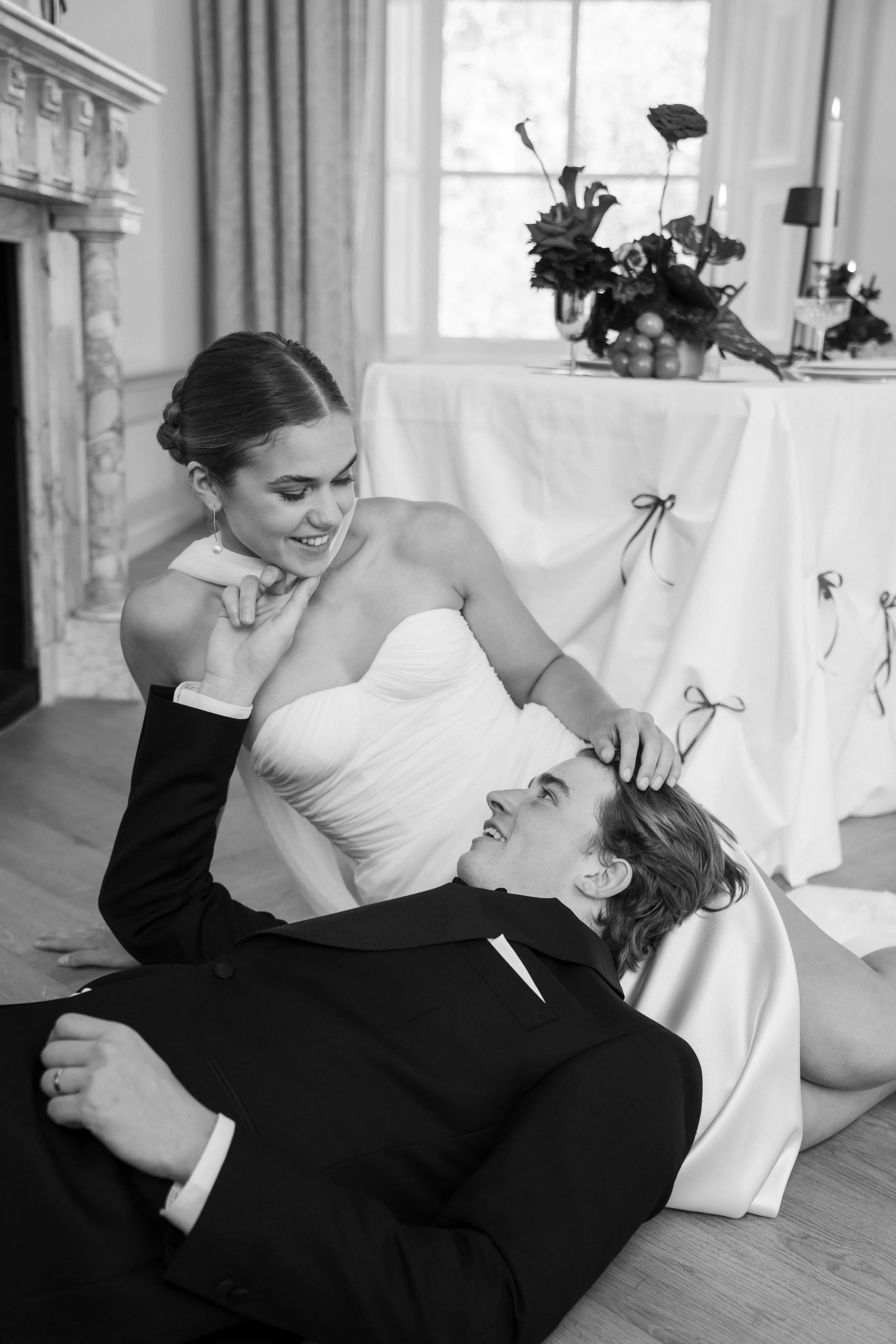
If you're an anti-bride, there's a version of wedding photography that was made for you — and it looks nothing like the posed, perfectly-lit, everyone-facing-the-camera approach that fills most wedding feeds.
It looks like your photographer knowing when to step back. Getting through the entire wedding day without the need to perform**.** Photos that remind you of how the day actually felt, not just how it looked.
The right photographer for an anti-bride isn't just someone with a beautiful portfolio. It's someone who understands that your wedding has its own logic — and who's curious about that, rather than inclined to override it.
When you're choosing your wedding photographer, here's what to ask:
How do you work during getting-ready moments? A photographer who moves quietly and shoots documentary-style through the morning will give you something very different from one who directs every frame.
Does the photographer understand your wedding vision? No two couples prioritise the same moments. A photographer who shapes their approach around yours makes all the difference.
Have you shot a wedding like ours before? Not identical — but unconventional in some way. A non-traditional venue, a shorter guest list, a couple who didn't want a standard shot list. How they answer tells you a lot.
Pay attention not just to what they say but how they say it. A photographer who lights up when you describe your unconventional plans is a different person to work with than one who politely nods and pivots back to their packages.
A Final Word
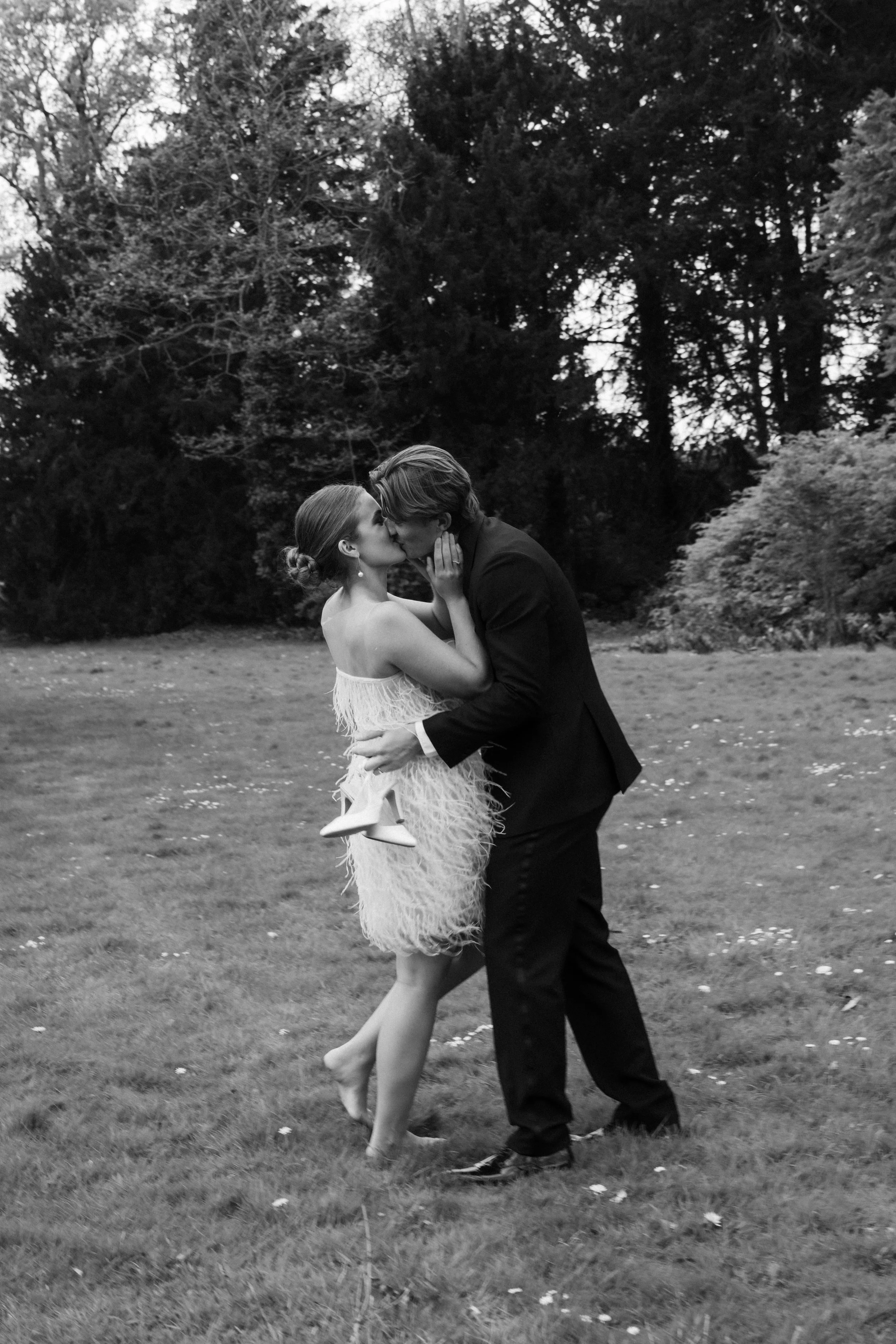
We'll say this plainly: if your wedding looks like everyone else's, your photos will too.
The wedding galleries that you will cherish down the road are almost never the ones that followed the standard template. They're the ones who are made with deliberate choices — about their day, their vendors, their timeline, the moments they chose to protect.
At Morii Space, this is the kind of work we're drawn to. We're not here to photograph a wedding. We're here to photograph yours — the specific, unrepeatable version of it that only happens once, between these two people, on this particularly special day.
About Us
Morii Space is a wedding photography and videography studio based between Singapore and Amsterdam, working with couples across Asia and beyond. We're drawn to the unscripted moments as much as the big ones — the in-between glances, not just the posed ones. For couples who appreciate elegance and timeless artistry, we craft romantic, light-filled imagery that captures the essence of your story. Because every love story is one of a kind.
Come say hello.